
The immune system plays a vital role in protecting the body against infections and diseases. In recent years—especially after global health crises—there has been growing interest in “immune-boosting” foods, supplements, and diets. While nutrition undeniably influences immune function, misinformation and exaggerated claims have led to confusion. This article explores common myths surrounding nutrition and immunity and contrasts them with evidence-based scientific facts.

Understanding the Immune System
The immune system is a complex network of cells, tissues, and organs that work together to defend the body. Proper immune function depends on multiple factors, including genetics, age, sleep, physical activity, stress levels, and nutrition. No single food or nutrient can “boost” immunity overnight; instead, immunity is supported through long-term, balanced nutritional habits.
Common Myths About Nutrition and Immunity
Myth 1: Certain Foods Can Instantly Boost Immunity
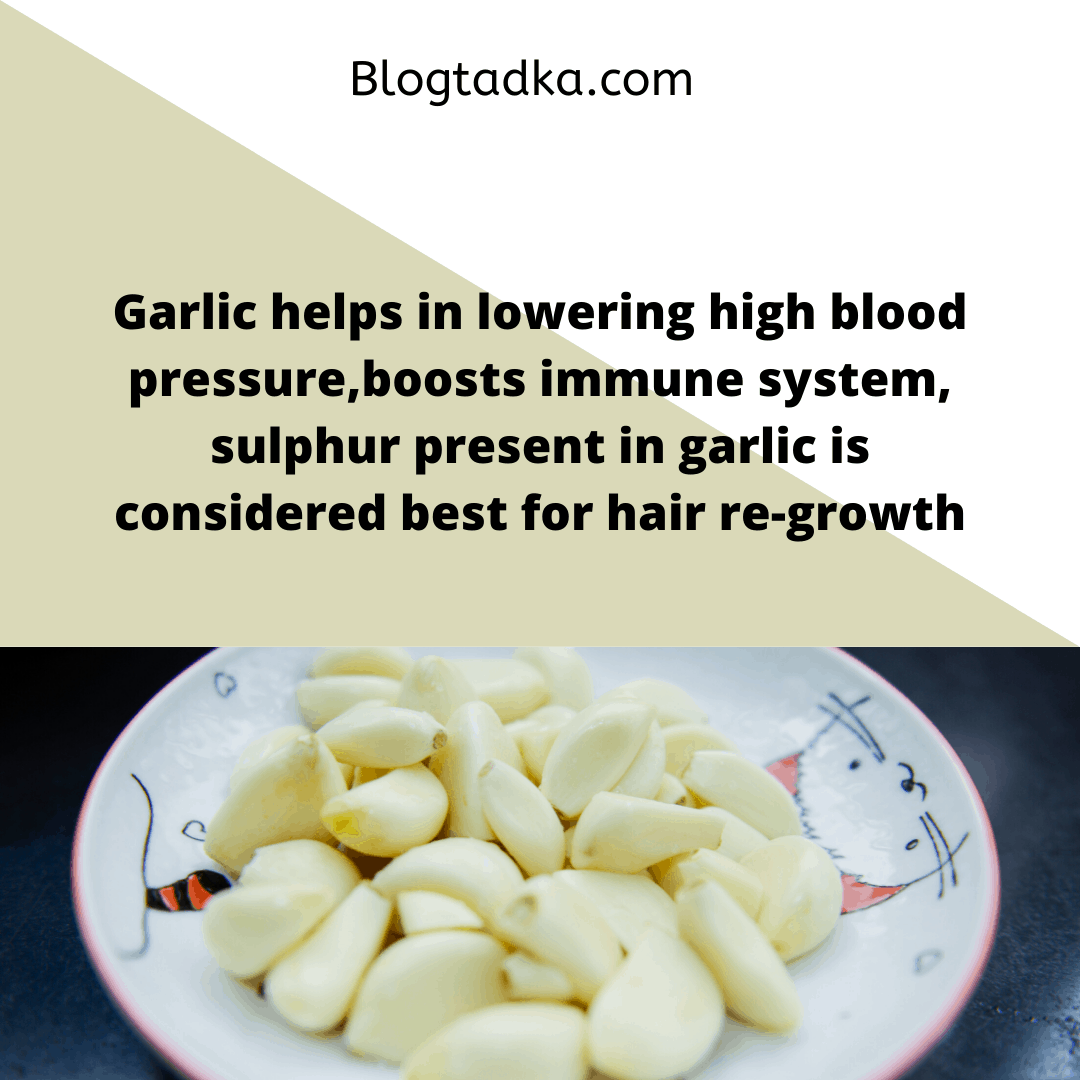
Foods like citrus fruits, garlic, ginger, and turmeric are often labeled as immune boosters. While these foods contain beneficial compounds, they do not provide instant protection against illness. Immunity is built and maintained over time through consistent nutrient intake, not quick fixes.
Myth 2: Taking High-Dose Supplements Prevents Illness
Many believe that megadoses of vitamin C, vitamin D, or zinc can prevent infections. However, excessive intake of supplements can be harmful and may suppress immune function rather than enhance it. Supplements are most beneficial only when correcting a deficiency.
Myth 3: Herbal Remedies Can Replace Medical Treatment
Herbal teas and traditional remedies are often promoted as cures for infections. While some herbs have anti-inflammatory or antioxidant properties, they cannot replace vaccines, medications, or medical care.

Myth 3: Immunity Equals Never Getting Sick
A strong immune system does not mean complete immunity from illness. Instead, it means the body can respond effectively and recover faster when exposed to pathogens.
The Science: How Nutrition Actually Supports Immunity
Macronutrients and Immunity
Proteins are essential for the formation of antibodies and immune cells.
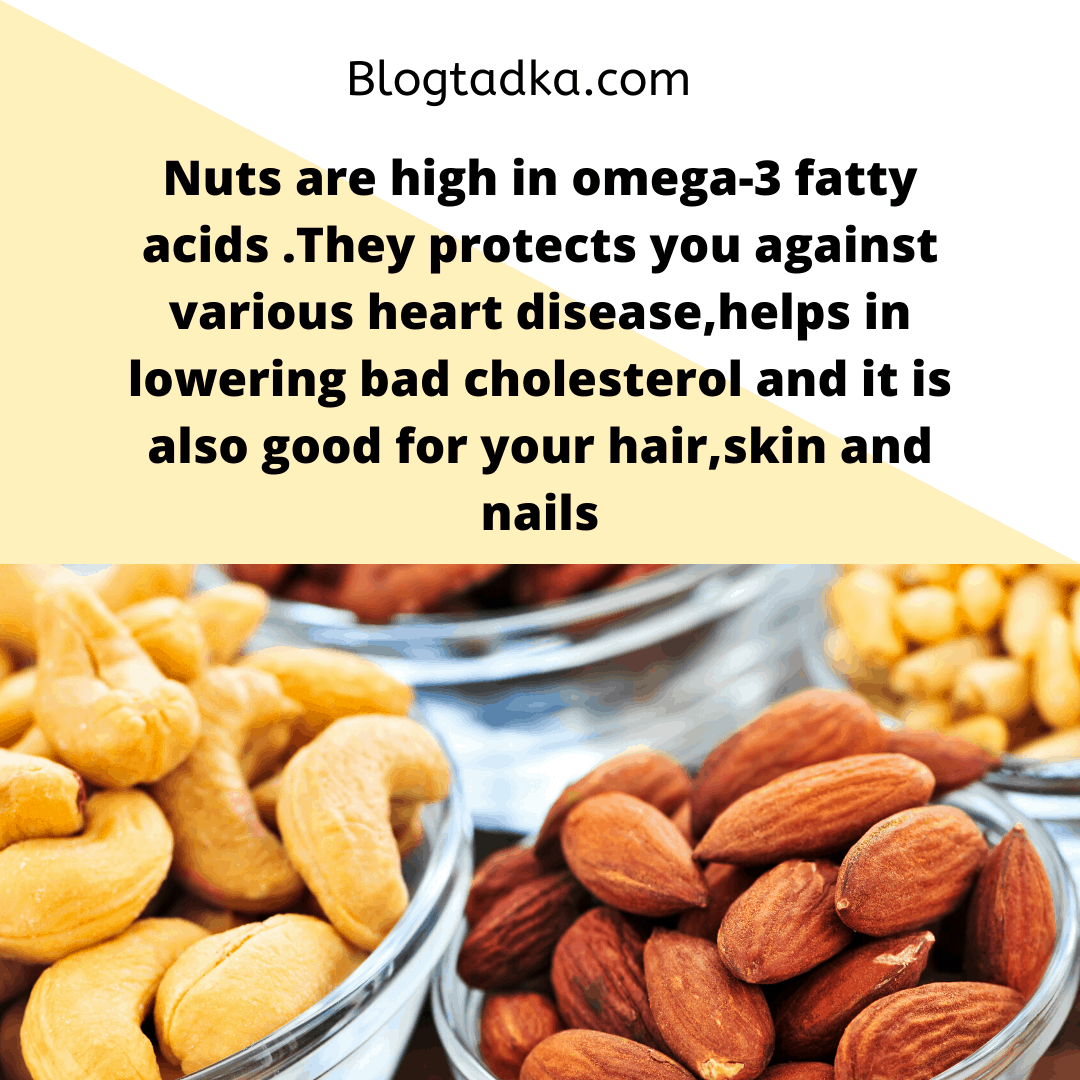
Healthy fats, especially omega-3 fatty acids, help regulate inflammation.
Carbohydrates provide energy needed for immune cell activity.
Key Micronutrients
Vitamin C supports immune cell function and acts as an antioxidant.
Vitamin D plays a role in immune regulation and deficiency is linked to increased infection risk.
Vitamin A maintains the integrity of skin and mucosal barriers.
Zinc is crucial for immune cell development and wound healing.
Iron and Selenium support immune response and antioxidant defense.
Gut Health and Immunity
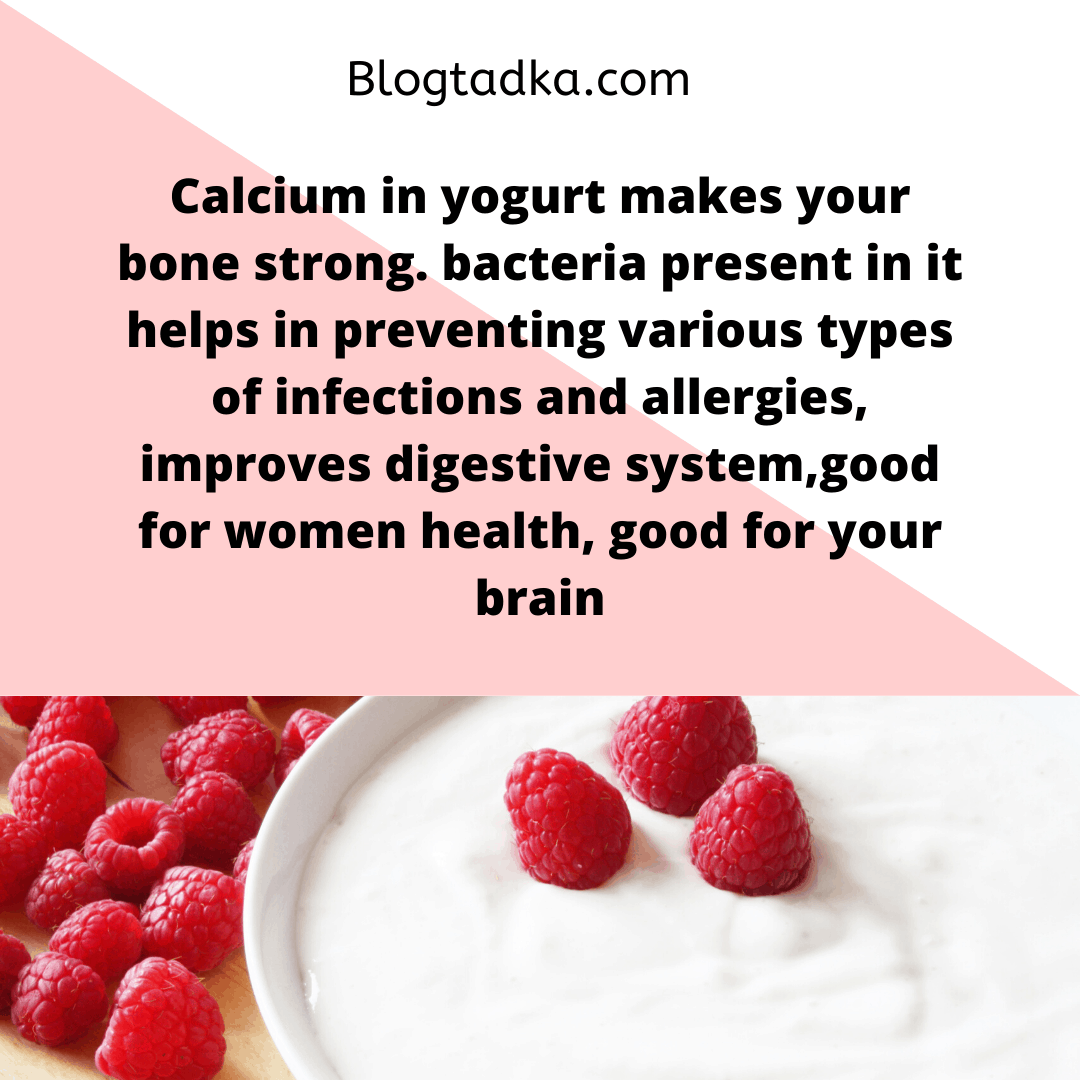
Nearly 70% of immune cells are associated with the gut. A diet rich in fiber, probiotics (yogurt, fermented foods), and prebiotics (fruits, vegetables, whole grains) promotes a healthy gut microbiome, which in turn strengthens immune defense.

Lifestyle Factors That Work Alongside Nutrition
Nutrition alone cannot ensure strong immunity. Scientific evidence highlights the importance of:
Adequate sleep
Regular physical activity
Stress management
Hydration
Avoidance of smoking and excessive alcohol consumption
Practical, Evidence-Based Recommendations
Eat a balanced, diverse diet rich in fruits, vegetables, whole grains, lean proteins, and healthy fats.
Focus on food first, using supplements only when recommended by healthcare professionals.
Avoid fad diets and miracle claims related to immunity.
Maintain consistent healthy habits rather than short-term interventions.

Conclusion
Nutrition plays a supportive but not magical role in immune health. While myths often promise quick and effortless immunity, science emphasizes balance, moderation, and long-term dietary patterns. By understanding the difference between myths and evidence-based practices, individuals can make informed choices that truly support immune function and overall well-being